Understanding the Shift Toward Premium Cannabis Oils
Over the past few years, the cannabis market has seen a clear move away from low-grade extracts and toward cleaner, more refined products. This shift is not just about potency, it is about purity, consistency, and the overall experience. Among the many options available, premium cannabis oils have emerged as a category that represents the best of what modern extraction can deliver. Whether you are a seasoned dabber or someone curious about cannabis concentrates, understanding what makes these oils stand out is worth your time.
I have spent years working with concentrates, from early solvent-based extracts to the latest solventless methods. What I have learned is that the difference between a good oil and a great one often comes down to the source material and the extraction technique. Premium cannabis oils are not just marketing hype; they are the result of careful choices at every stage of production.
What Sets Premium Cannabis Oils Apart
The term "premium cannabis oils" covers a range of products, but they share a few core traits. First, the starting plant material is almost always organic cannabis grown under controlled conditions. For example, Colorado cannabis has gained a reputation for its rigorous testing standards and consistent quality. When you start with clean, well-cured flower, the final oil reflects that care.
Second, the extraction method matters enormously. CO2 extraction has become a favorite among producers who want to preserve the full spectrum of cannabinoids and terpenes without leaving behind solvent residues. It uses pressurized carbon dioxide to pull the desired compounds from the plant, resulting in a clean, potent oil. Solventless extraction, on the other hand, relies on mechanical separation, think ice water and heat presses, to yield a product that is as close to the original plant as possible. Both methods can produce premium cannabis oils, but they offer different profiles. CO2 extraction tends to capture a wider range of compounds, while solventless methods often appeal to purists who want zero chemical intervention.
I have tried both types, and I can tell you that the difference in flavor and effect is noticeable. A CO2-extracted oil might have a more complex terpene profile, with bright citrus or pine notes, while a solventless oil often feels smoother and more rounded. Neither is inherently better; it depends on what you are looking for.
The Role of Distillates
Distillation takes the idea of purity a step further. Delta 8 distillate and delta 9 distillate are two examples where producers isolate specific cannabinoids to create a consistent, predictable experience. Delta 9 THC is the classic psychoactive compound most people associate with cannabis. Delta 8, by contrast, is a less common cannabinoid that produces a milder, more clear-headed effect. Both are available as THC distillate, which can be used to formulate oils, vape cartridges, or even tinctures.
What I find interesting about distillates is their precision. If you know exactly how much delta 8 or delta 9 you are getting, you can dose more accurately. This is especially valuable for people who use cannabis for therapeutic reasons. A lab-grade oil with a known cannabinoid profile takes the guesswork out of the experience. It is not about getting as high as possible; it is about getting the effect you want every time.
Practical Uses and Everyday Application
Premium cannabis oils are versatile. You can use them for dabbing, which involves heating a small amount on a hot surface and inhaling the vapor. This method is popular because it delivers the full flavor and effect of the oil without combustion. Alternatively, many people mix oils into vape cartridges for a portable, discreet option. Some even use them in edibles, though that requires careful decarboxylation to activate the cannabinoids.
One thing I often tell newcomers is to start slow. A single drop of a high-quality oil can contain a significant amount of cannabinoids. A gram of delta 9 distillate might hold several hundred milligrams of THC, so a tiny dab goes a long way. If you are used to smoking flower, the potency jump can surprise you.
Extraction Techniques and Quality Control
The extraction process is where science meets art. CO2 extraction, for instance, allows producers to fine-tune the temperature and pressure to target specific compounds. This means they can create an oil rich in terpenes and flavonoids, which contribute to the aroma and potential benefits of the product. Flavonoids are often overlooked in cannabis discussions, but they play a role in the overall effect, especially in full-spectrum oils where the plant's natural balance is preserved.
Solventless extraction, as I mentioned, avoids chemicals altogether. The most common method is rosin pressing, where heat and pressure squeeze the oil out of the plant material. The result is a pure, sticky concentrate that retains much of the original flavor. Both methods have their advocates, and the best choice depends on the desired outcome.
Quality control does not stop after extraction. Reputable producers test their oils for potency, residual solvents, and microbial contaminants. A lab-grade oil should come with a certificate of analysis that lists the cannabinoid content and confirms the absence of harmful substances. This level of transparency is what separates premium cannabis oils from cheaper alternatives. I have seen too many products that claim to be pure but fail basic tests. Do not be afraid to ask for lab results.
Packaging and Handling
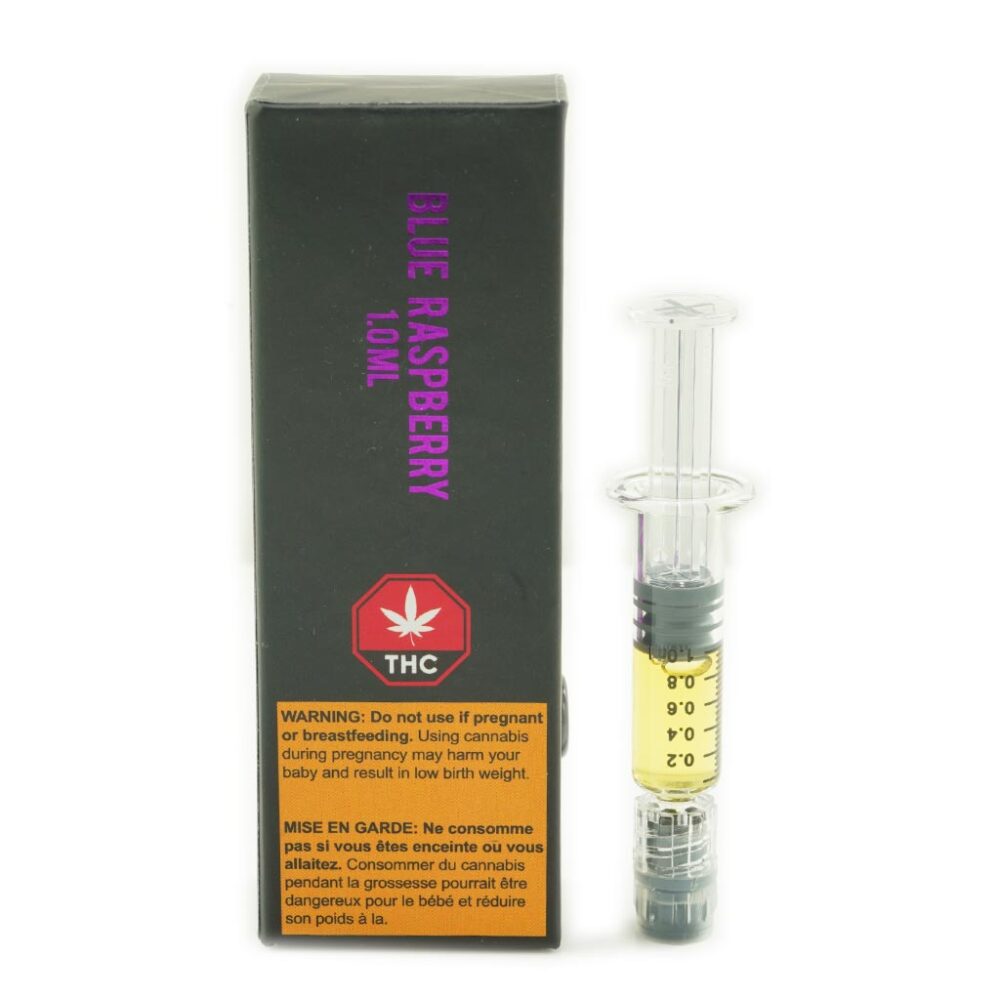
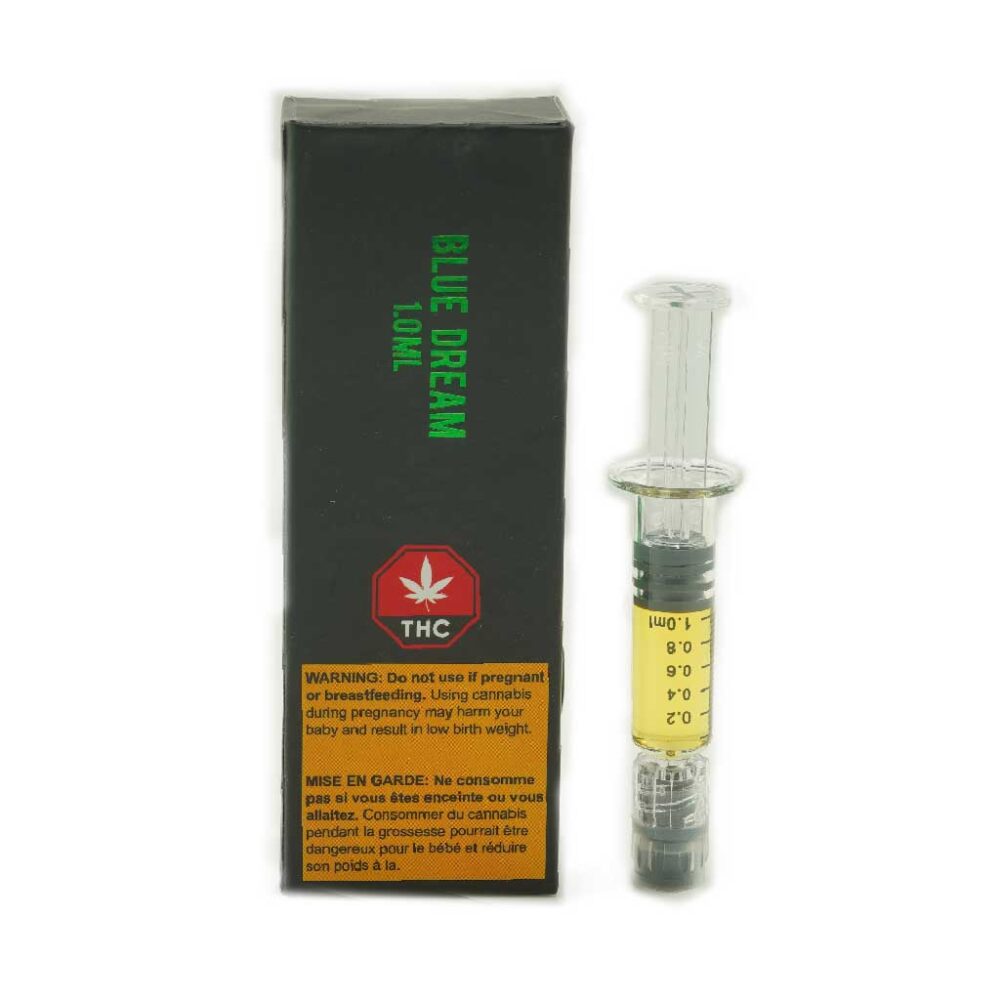
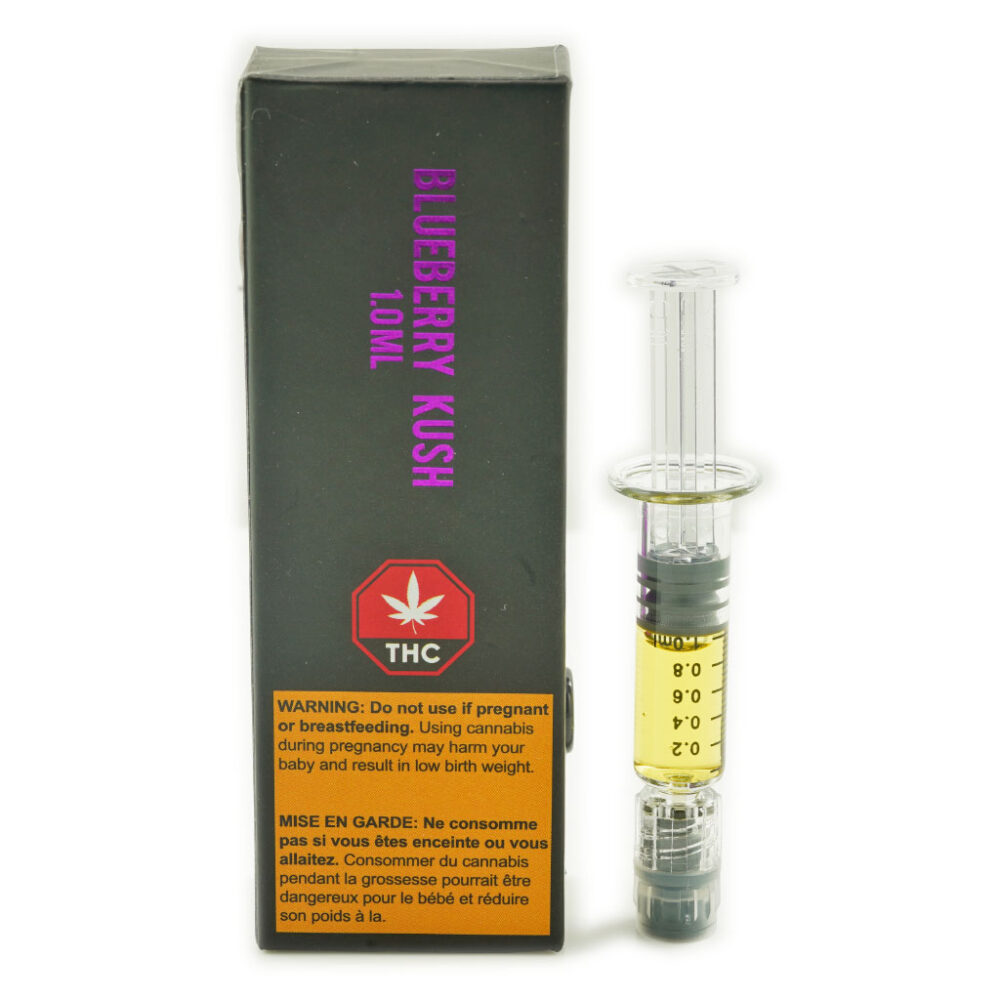
How you store and handle your oil matters. Exposure to light, heat, and air can degrade cannabinoids and terpenes over time. That is why many high-end oils come in glass syringes or dropper bottles. Glass syringes allow for precise dosing and are easy to clean, especially if you reuse them with empty syringes you buy separately. Dropper bottles are more common for oils meant for oral use or for filling vape cartridges.
I prefer glass syringes for dabbing because they let me measure exact amounts without waste. They also seal well, keeping the oil fresh. Some brands offer branded syringes that match their product line, which is a nice touch for collectors, but the important thing is the material. Borosilicate glass is best because it resists thermal shock and does not leach chemicals.
Navigating the Market
The market for cannabis oils can be overwhelming. There are dozens of brands, each claiming to be the best. I have found that focusing on a few key factors helps cut through the noise:
- Start with the source. Organic cannabis from reputable regions like Colorado cannabis gives you a head start on quality.
- Check the extraction method. CO2 extraction and solventless extraction are both good, but avoid products that use butane or other hydrocarbons unless you know the residuals are tested.
- Look for full-spectrum oil if you want the entourage effect, where multiple cannabinoids work together. Isolated distillates are better for targeted effects.
- Consider the intended use. Dabbing requires a different consistency than filling vape cartridges. Some oils are too thick for a syringe, while others are too runny for a dab rig.
Kush Station, for example, offers a range of concentrates that cater to different preferences. Their selection includes both delta 8 and delta 9 products, as well as CBD oil for those who want the benefits without the high. The key is to match the product to your needs, not the other way around.
Final Thoughts on Quality and Experience
At the end of the day, the value of premium cannabis oils comes down to the experience they provide. A well-made oil delivers clean vapor, rich flavor, and consistent effects. It does not leave you coughing or guessing what you just inhaled. It respects the plant and the person using it.
I have watched the industry evolve from crude extracts to the refined oils we see today. The progress has been remarkable, but it also means consumers need to be informed. Do not settle for something that tastes like burnt plastic or leaves a sticky residue on your rig. There are too many good options out there.
Whether you are after a potent delta 9 distillate for deep relaxation or a balanced full-spectrum oil for daytime use, the principles are the same. Start with clean source material, choose a reputable extraction method, and pay attention to how the product is packaged and stored. Premium cannabis oils are not a luxury, they are a standard worth expecting.